Introduction
Every year, thousands of lives are lost because of drowning cases. While prevention is the best strategy, knowing just how to do mouth-to-mouth resuscitation for sinking victims can dramatically raise the chances of survival. In minutes when every second counts, having the right understanding and skills can mean the distinction between life and first aid and cpr training classes death. This thorough guide will walk you via whatever you need to learn about mouth-to-mouth resuscitation for drowning targets, including techniques, guidelines, and vital sources.
CPR for Drowning Victims: What You Required to Know to Conserve a Life
When faced with a drowning sufferer, the proper application of CPR can be lifesaving. Below's what you need to know:
Understanding Drowning: Drowning occurs when an individual is incapable to breathe because of submersion in water. The body can just endure a couple of mins without oxygen prior to brain damage or death occurs.
Signs of Drowning: Recognizing the indications can help you respond swiftly. Seek:
- Unconsciousness Lack of breathing Blue-tinged skin (cyanosis) Weak or no pulse
Immediate Actions: Call emergency situation solutions quickly if a person is believed of sinking. Time is critical.
Assessing Responsiveness: If it's risk-free, come close to the target and check for responsiveness by carefully shaking their shoulders while calling out their name.
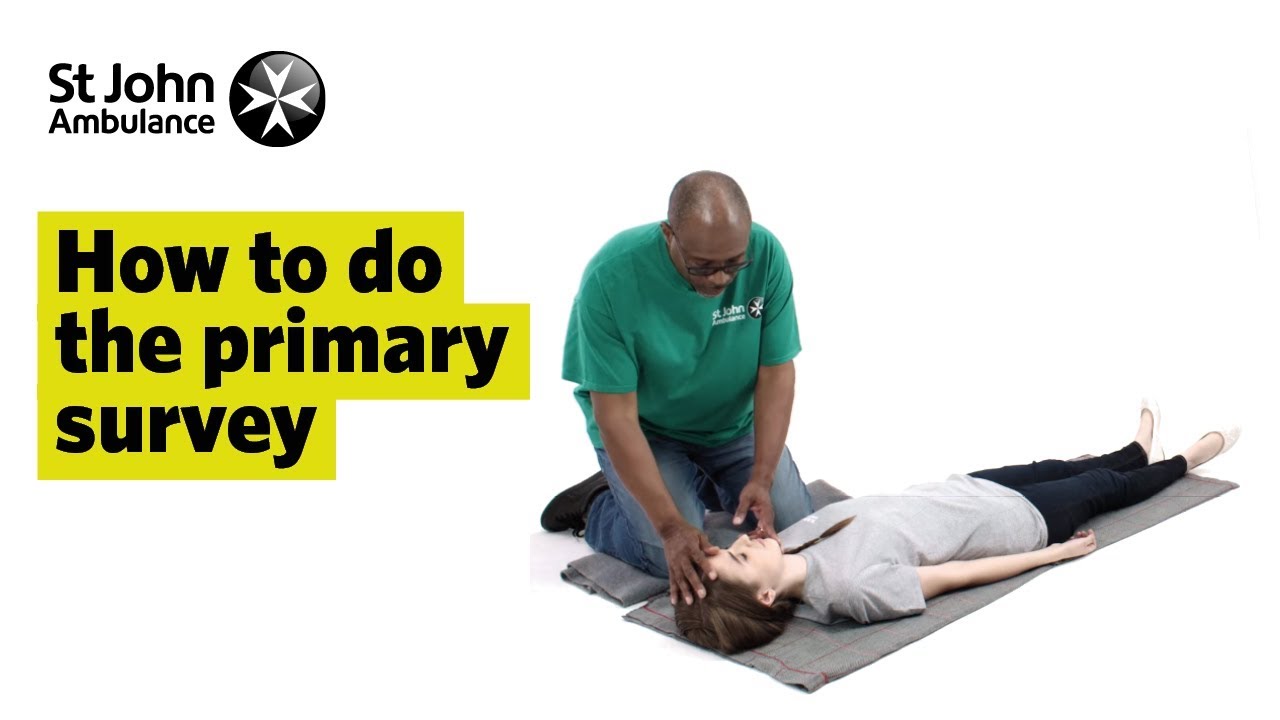
Positioning: Meticulously eliminate them from the water ideally, placing them on a level surface.
Starting CPR: Begin CPR immediately if they are less competent and not breathing normally.
The Value of mouth-to-mouth resuscitation in Drowning Cases
Drowning sufferers often struggle with hypoxia (absence of oxygen), making it essential that early intervention occurs via reliable rescue breaths and chest compressions.
How Does mouth-to-mouth resuscitation Work?
CPR jobs by manually preserving blood flow and oxygenation until expert help arrives or up until the target starts breathing individually again.
Key Components of Efficient CPR
- Chest Compressions: Deliver solid compressions at a price of 100-120 per minute. Rescue Breaths: After every 30 compressions, provide 2 rescue breaths.
Correct Techniques for Carrying out CPR on Sinking Victims
Compression Deepness and Rate
One common blunder is inaccurate compression deepness. For adults, compressions should go to the very least 2 inches deep but no greater than 2.4 inches.
Infant CPR Technique
For babies under one year old, utilize two fingers in the facility of their chest and press concerning 1.5 inches deep at a price of 100-120 per minute.
Age-Specific Guidelines
Different age call for various strategies; understanding these subtleties can substantially enhance outcomes in emergencies.
|Age|Compression Deepness|Price|| ----------------------|------------------|----------------|| Grown-up|At least 2 inches|100-120/ minutes|| Youngster (1-8 years)|About 2 inches|100-120/ min|| Baby (under 1 year)|About 1.5 inches|100-120/ min|
Combining CPR with AED Usage
What is an AED?
An Automated External Defibrillator (AED) is a portable device that examines heart rhythm and can deliver an electrical shock if necessary.
How to Make use of an AED with CPR?
Turn on the AED. Follow voice prompts. Place pads as shown on the device. Ensure no one is touching the sufferer during shock delivery. Continue with CPR after shock delivery or if no shock is advised.Household Readiness for Emergencies
Creating a home plan makes sure everybody knows what steps to absorb situation of emergency situations like sinking events:
Designate someone that will certainly call emergency situation services. Ensure all relative recognize fundamental first aid techniques. Keep emergency situation get in touch with numbers accessible.Workplace Emergency Plans
Just like home preparedness, offices need to have emergency plans that consist of emergency treatment training sessions and very easy access to first aid sets and AEDs.
Local Resources for Knowing Mouth-to-mouth Resuscitation Skills
To successfully respond throughout emergency situations, take into consideration signing up in regional mouth-to-mouth resuscitation classes:
Finding Regional CPR Classes
Check community centers, medical facilities, or companies like the Red Cross for certification programs tailored to your requirements:
- Online courses Hands-on workshops Specialized programs for health care providers
CPR Certification Requirements Australia
In Australia, numerous companies supply qualifications with details needs based on your function:
Basic First Aid-- Ideal for general public. Advanced Resuscitation Skills-- Needed for medical care professionals. Age-specific accreditations-- Customized training courses are offered based on age group focus (infants vs adults).Online Accreditation Options in Australia
Many reputable companies offer on the internet qualification choices:
- Flexibility to find out at your very own pace Courses consist of videos showing techniques Certificates supplied upon completion
Latest Guidelines for Carrying out CPR in Australia
Staying upgraded with the latest guidelines guarantees you are outfitted with present methods advised by wellness authorities:
Review guidelines from organizations like Australian Resuscitation Council (ARC). Attend refresher courses consistently every few years. Stay educated about adjustments in procedures such as compression rates or use AEDs.Statistics on mouth-to-mouth resuscitation Success Fees in Australia
Understanding data assists emphasize the value of prompt action during heart events:

|Occasion Type|Survival Rate|| -----------------------------|---------------|| Out-of-hospital arrests|~ 10%|| With instant bystander CPR|~ 30%|
These numbers highlight how prompt treatment significantly enhances survival rates!
FAQs Regarding CPR for Drowning Victims
Q1: How much time should I execute CPR before stopping?
You needs to continue performing CPR up until emergency solutions get here or until an AED becomes available unless you see clear indications of life.
Q2: What happens if I'm not sure about giving rescue breaths?
If you're not trained or feel awkward offering rescue breaths, first aid training emphasis only on breast compressions until assistance shows up; hands-only mouth-to-mouth resuscitation has been revealed effective!
Q3: Can I create harm while performing CPR?
While improper technique might trigger injury such as broken ribs, it's far much better than doing nothing in all since survival possibilities drastically reduce without intervention!
Q4: Exactly how do I understand if I'm using right compression depth?
A common standard is that adult compressions need to sink at least 2 inches right into their chest; method making use of manikins helps obtain confidence!
Q5: Exists any kind of age restriction for learning CPR?
No! Any person can learn fundamental life-saving strategies no matter age; several organizations tailor programs specifically towards kids instructing them crucial skills early!
Q6: Do I require special equipment to perform reliable rescue breathing?
You don't always need equipment! Nonetheless having obstacle tools helps in reducing illness transmission danger throughout mouth-to-mouth ventilation while still guaranteeing reliable air movement gets to lungs!
Conclusion
Mastering "CPR for Drowning Victims" gears up people with crucial skills that could conserve lives throughout vital circumstances! By understanding correct methods combined with maintaining home preparedness strategies-- you cultivate a setting where security thrives! Bear in mind-- the very best means onward includes regular education via neighborhood classes & & accreditation chances together with regular practice sessions guaranteeing confidence rollovers right into real-world situations! Be proactive today-- join a class near you & & empower yourself against unanticipated emergency situations tomorrow!